


Medicine Overview of Fluclox
Indication
Pneumonia, Burns, Meningitis, Endocarditis, Sinusitis, Septicaemia, Tonsillitis, Surgical Prophylaxis, Staphylococcal skin infections, Boils, Osteomyelitis, Enteritis, Wounds, Abscesses, Infected eczema, Infected acne
Administration
Should be taken on an empty stomach. Take on an empty stomach ½-1 hr before meals. Reconstitution: Dissolve 250-500 mg in 5-10 mL water for inj or 1 g in 15-20 mL water for inj. For IV infusion, further dilute in suitable IV fluids (e.g. water for inj, NaCl 0.9%, glucose 5%, NaCl 0.18% w/ glucose 4%).
Adult dose
Adults (including elderly patients): Oral: 250-500mg 3-4 times a day. Intravenous IV 0.25-1 g 4 times/day, may double in severe cases. Up to 8 g/day in 3-4 divided doses may be given for osteomyelitis. Up to 8 g/day in 4 divided doses for endocarditis in patients weighing <85 kg and 12 g/day in 6 divided doses for patients weighing >85 kg.
Child dose
Children have been given doses of 12.5-25 mg/kg body weight 4 times a day. Intravenous 2-10 years: Half of adult dose Under 2 years: One fourth of adult dose
Renal dose
Renal impairment: CrCl (ml/min) <10 Dosage adjustment may be necessary.
Contraindication
Hypersensitivity to penicillins. Porphyria.
Mode of action
Flucloxacillin inhibits the 3rd and last step of bacterial cell wall synthesis by binding to specific penicillin-binding proteins (PBPs) located inside the bacterial cell wall. It is active against penicillinase-producing and non-penicillinase-producing staphylococci.
Precaution
Very high doses in poor renal function (risk of neurotoxicity) or heart failure. Avoid contact, skin sensitization may occur. Monitor serum potassium concentration, renal and haematological status. Spirochete infections particularly syphilis; suprainfection with penicillin-resistant organisms with prolonged use; avoid intrathecal route; elderly. Hepatic impairment.
Side effect
Hypersensitivity reactions including urticaria; fever; joint pains; rashes; angioedema; serum sickness-like reactions; haemolytic anaemia; interstitial nephritis; neutropenia; thrombocytopenia; CNS toxicity including convulsions; diarrhoea; antibiotic-associated colitis; hepatitis, cholestatic jaundice; agranulocytosis; phlebitis (IV infusion). Potentially Fatal: Anaphylaxis. Stevens-Johnson syndrome
Interaction
May increase the risk of methotrexate toxicity. May decrease the efficacy of oestrogen-containing OC. Enhanced plasma concentrations w/ probenecid. Bacteriostatic drugs (e.g. chloramphenicol, tetracycline) may interfere w/ the bactericidal effect of flucloxacillin. May prolong bleeding time in patients on oral anticoagulants.
Common Uses
Specifically formulated for effective treatment as prescribed by your healthcare professional.
Important Notice
Consult with a doctor before starting any new medication. Do not exceed recommended dosage.
Frequently Asked Questions (FAQ)
Help & SupportFluclox
Powder for Suspension-(125mg/5ml)
About this item
IndicationPneumonia, Burns, Meningitis, Endocarditis, Sinusitis, Septicaemia, Tonsillitis, Surgical Prophylaxis, Staphylococcal skin infections, Boils, Osteomyelitis, Enteritis, Wounds, Abscesses, Infected eczema, Infected acneAdministrationShould be taken on an empty stomach. Take on an empty stomach ½-1 hr before meals. Reconstitution: Dissolve 2...
Alternative Brands
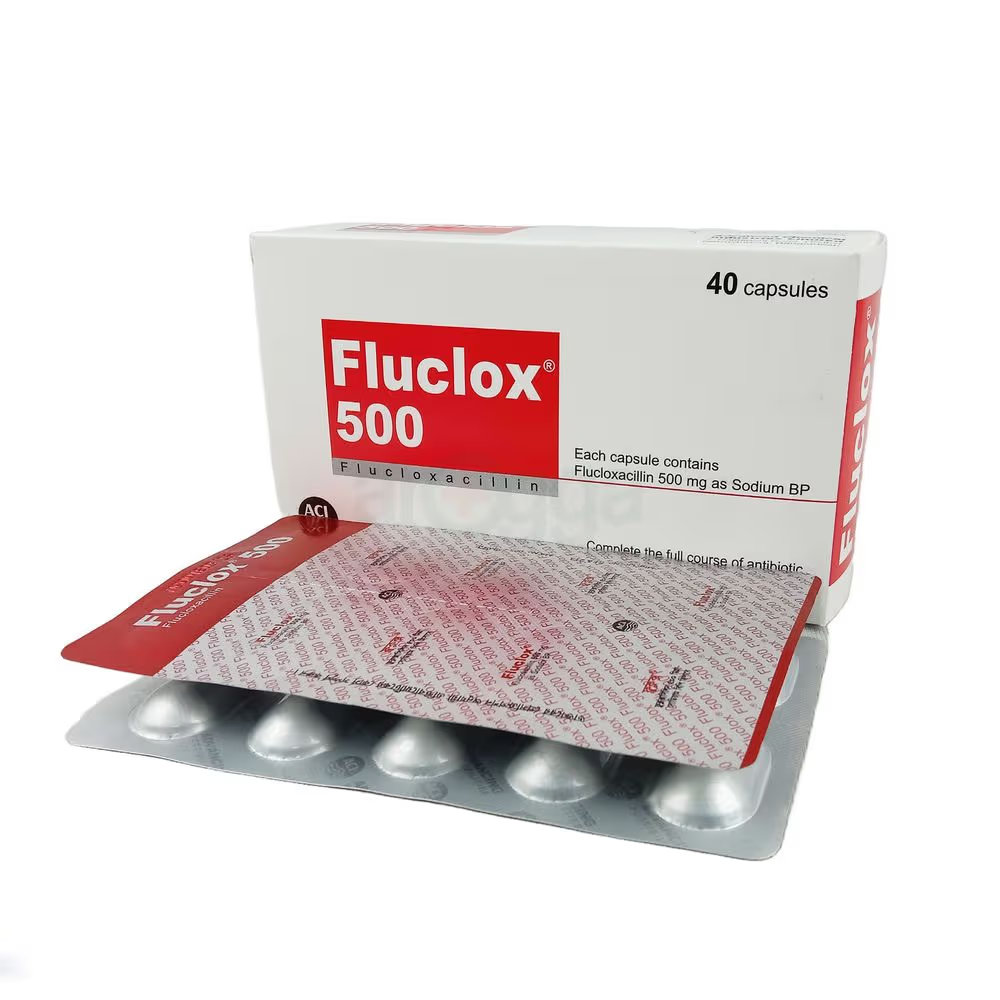
Fluclox 500
By ACI Limited
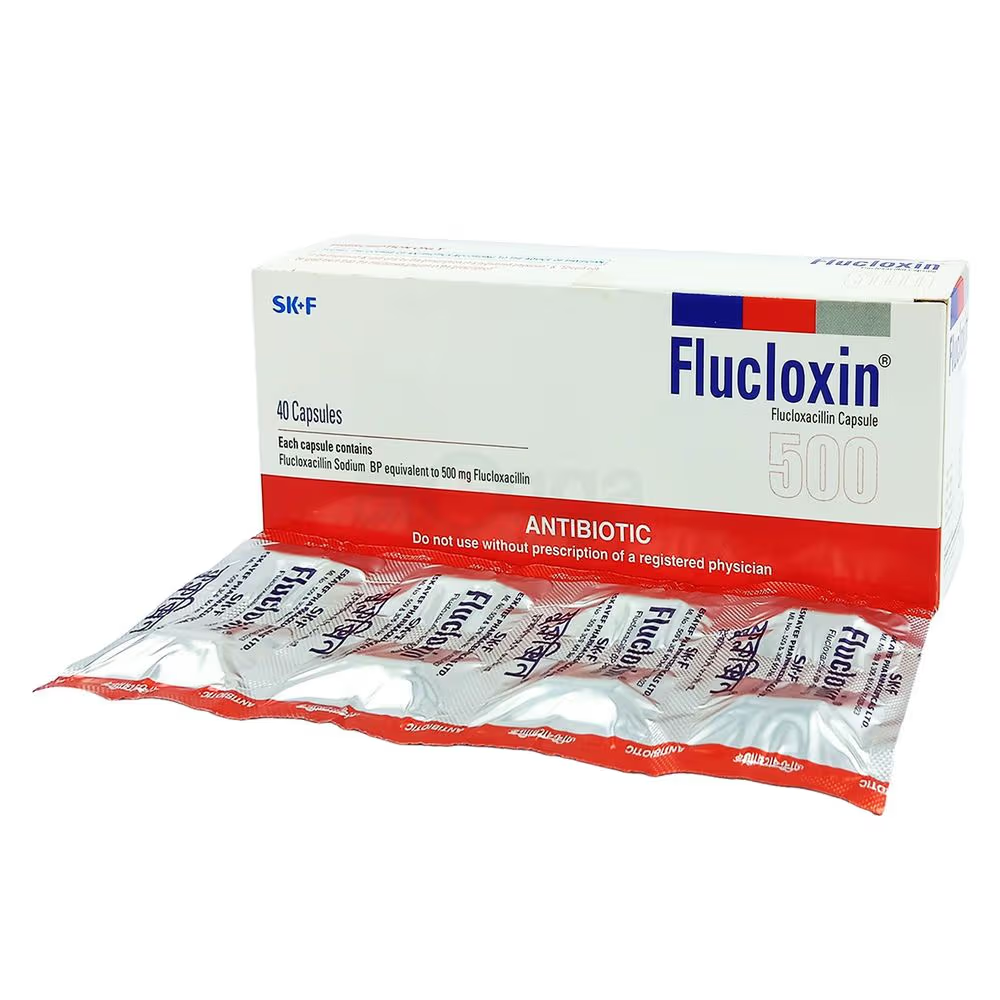
Flucloxin 500
By Eskayef Pharmaceuticals Ltd.
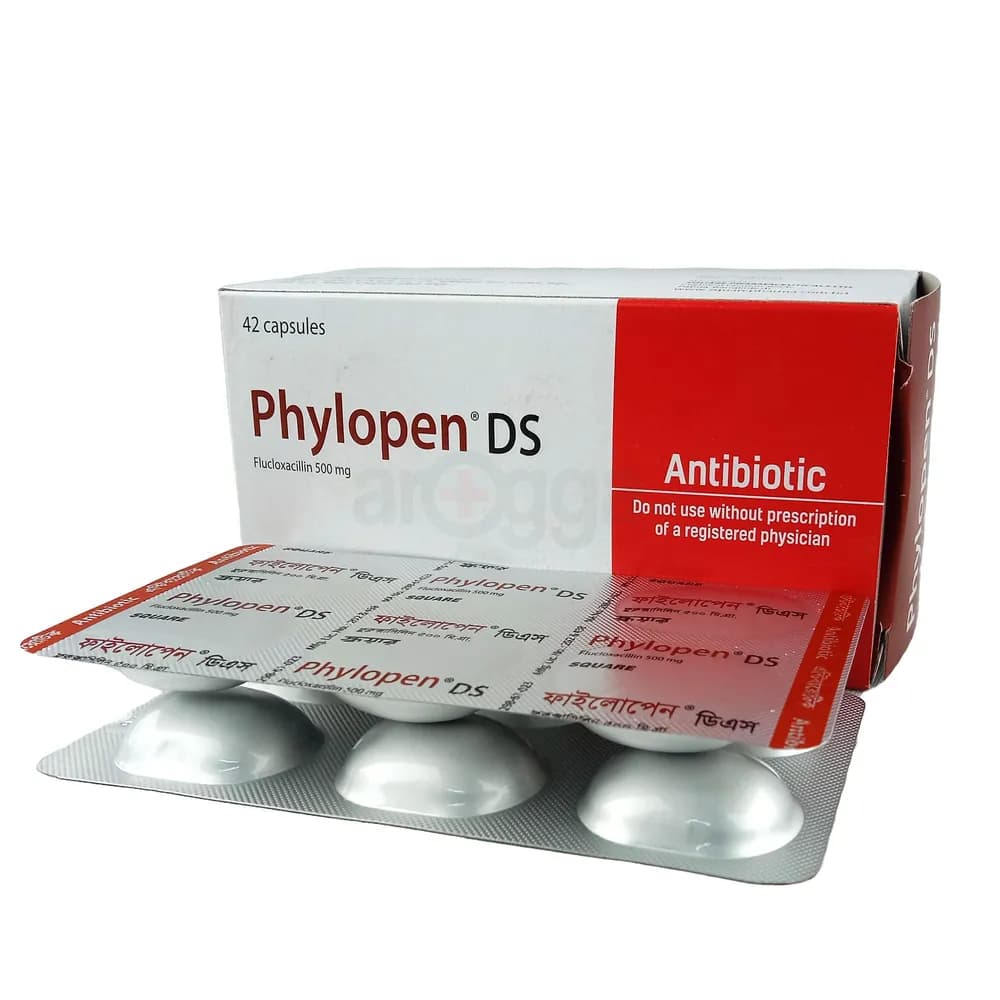
Phylopen DS 500
By Square Pharmaceuticals PLC.
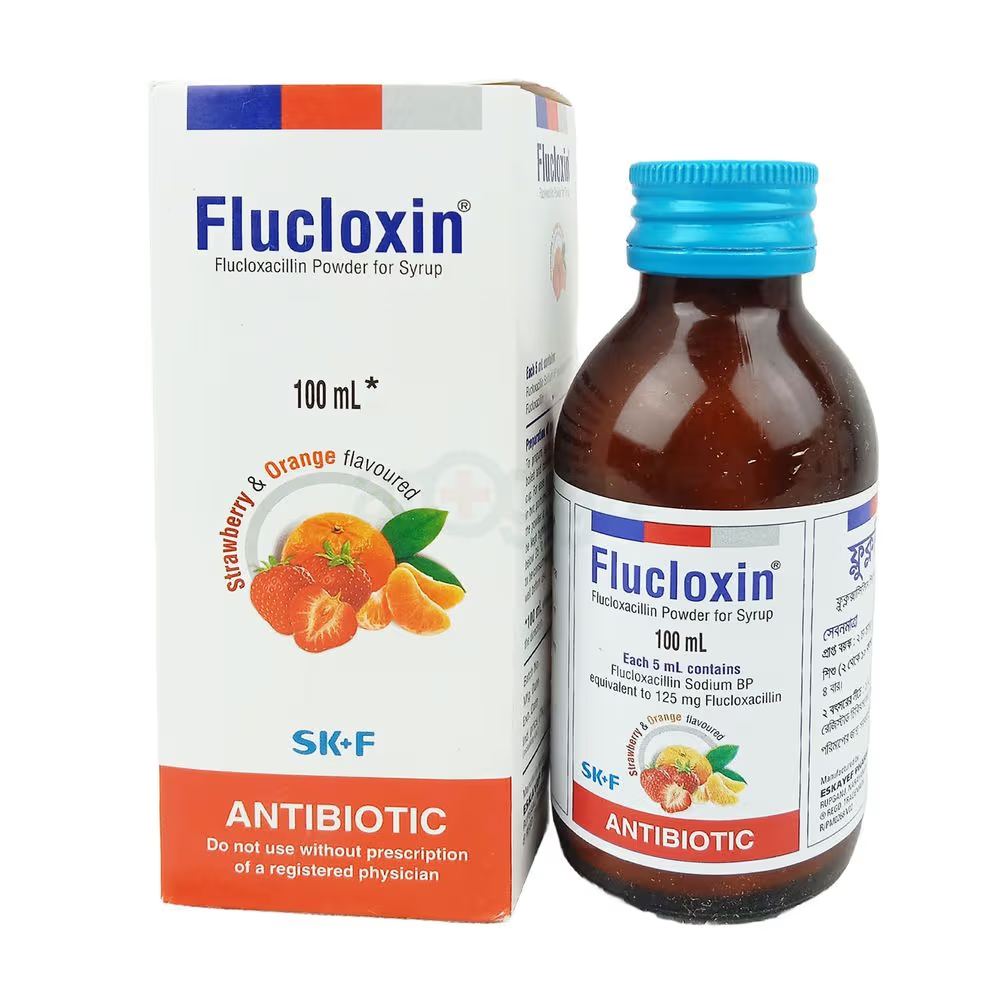
Flucloxin
By Eskayef Pharmaceuticals Ltd.
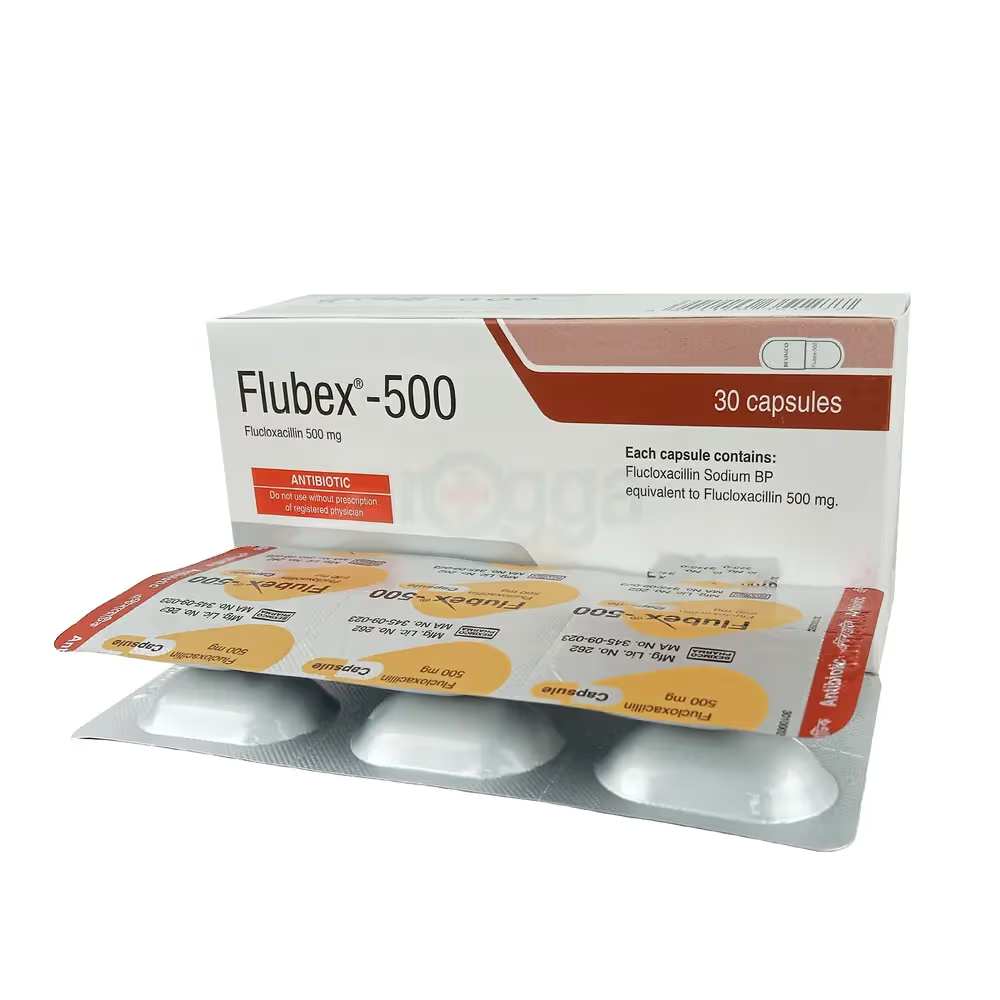
Flubex 500
By Beximco Pharmaceuticals Ltd.