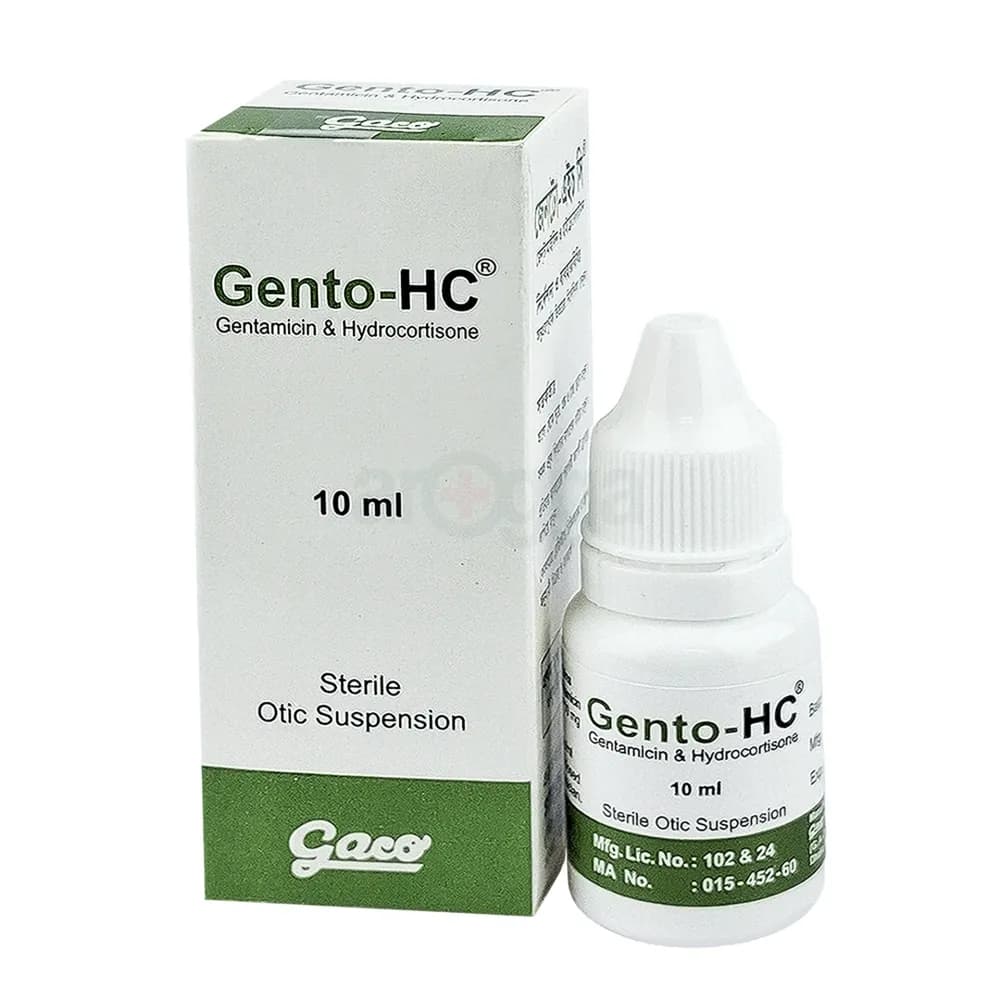


Medicine Overview of Genticin HC
Indication
Susceptible infections, Keratitis, Allergic conjunctivitis, Blepharitis, Allergic and inflammatory conditions of the eye, Chronic conjunctivitis, Spring catarrh,
Adult dose
Ophthalmic Superficial ophth infections: Instill 1-2 drops 4 hrly, up to 2 drops hrly in severe cases. As eye oint: Apply 1/2 inch into the conjunctival sac 2-3 times daily. Contraindication History of hypersensitivity to aminoglycoside; pregnancy; hepatic impairment. Mode of Action Gentamicin is an aminoglycoside that binds to 30s and 50s ribosomal subunits of susceptible bacteria disrupting protein synthesis, thus rendering the bacterial cell membrane defective. Hydrocortisone is a corticosteroid used for its anti-inflammatory and immunosuppressive effects. Its anti-inflammatory action is due to the suppression of migration of polymorphonuclear leukocytes and reversal of increased capillary permeability. It may also be used as replacement therapy in adrenocortical insufficiency. Precaution Concurrent use of neuromuscular blocking agents; myasthenia gravis, parkinsonism; conditions predisposing to ototoxicity and nephrotoxicity; lactation. Monitor plasma concentrations of gentamicin in patients receiving high doses or prolonged courses, in infants, elderly, patients with renal impairment, cystic fibrosis or significant obesity. Monitor auditory and renal functions. Side Effect Allergic contact dermatitis, Transient irritation, burning, stinging, Increased redness, lacrimation Interaction Gentamicin: Additive effect w/ other neurotoxic and/or nephrotoxic drugs including cephalosporins, methicillin, amphotericin B, ciclosporin, cisplatin, potent diuretics (e.g. ethacrynic acid, furosemide) and neuromuscular blocking agents (e.g. succinylcholine, tubocurarine). May potentiate the effect of anticoagulants (e.g. warfarin, phenindione). May antagonise the effect of neostigmine and pyridostigmine. Increased risk of hypocalcaemia w/ bisphosphonates. Increased risk of neuromuscular blockade w/ botulinum toxin. Indometacin may increase the plasma concentration of gentamicin in neonates. Hydrocortisone: Thiazides may enhance hyperglycaemia and hypokalaemia caused by corticosteroids. Increased incidence of peptic ulcer or GI bleeding with concurrent NSAIDs admin. Response to anticoagulants altered. Dose of antidiabetics and antihypertensives needs to be increased. Decreases serum conc of salicylates and antimuscarinic agents. Ethanol may enhance gastric mucosal irritation. Reduced efficacy with concurrent use of carbamazepine, phenytoin, primidone, barbiturates and rifampicin. Mutual inhibition of metabolism between ciclosporin and corticosteroids increase plasma conc of both drugs. Enhanced effect in women taking oestrogens or oral contraceptives.
Contraindication
History of hypersensitivity to aminoglycoside; pregnancy; hepatic impairment.
Mode of action
Gentamicin is an aminoglycoside that binds to 30s and 50s ribosomal subunits of susceptible bacteria disrupting protein synthesis, thus rendering the bacterial cell membrane defective. Hydrocortisone is a corticosteroid used for its anti-inflammatory and immunosuppressive effects. Its anti-inflammatory action is due to the suppression of migration of polymorphonuclear leukocytes and reversal of increased capillary permeability. It may also be used as replacement therapy in adrenocortical insufficiency.
Precaution
Concurrent use of neuromuscular blocking agents; myasthenia gravis, parkinsonism; conditions predisposing to ototoxicity and nephrotoxicity; lactation. Monitor plasma concentrations of gentamicin in patients receiving high doses or prolonged courses, in infants, elderly, patients with renal impairment, cystic fibrosis or significant obesity. Monitor auditory and renal functions.
Side effect
Allergic contact dermatitis, Transient irritation, burning, stinging, Increased redness, lacrimation
Interaction
Gentamicin: Additive effect w/ other neurotoxic and/or nephrotoxic drugs including cephalosporins, methicillin, amphotericin B, ciclosporin, cisplatin, potent diuretics (e.g. ethacrynic acid, furosemide) and neuromuscular blocking agents (e.g. succinylcholine, tubocurarine). May potentiate the effect of anticoagulants (e.g. warfarin, phenindione). May antagonise the effect of neostigmine and pyridostigmine. Increased risk of hypocalcaemia w/ bisphosphonates. Increased risk of neuromuscular blockade w/ botulinum toxin. Indometacin may increase the plasma concentration of gentamicin in neonates. Hydrocortisone: Thiazides may enhance hyperglycaemia and hypokalaemia caused by corticosteroids. Increased incidence of peptic ulcer or GI bleeding with concurrent NSAIDs admin. Response to anticoagulants altered. Dose of antidiabetics and antihypertensives needs to be increased. Decreases serum conc of salicylates and antimuscarinic agents. Ethanol may enhance gastric mucosal irritation. Reduced efficacy with concurrent use of carbamazepine, phenytoin, primidone, barbiturates and rifampicin. Mutual inhibition of metabolism between ciclosporin and corticosteroids increase plasma conc of both drugs. Enhanced effect in women taking oestrogens or oral contraceptives.
Common Uses
Specifically formulated for effective treatment as prescribed by your healthcare professional.
Important Notice
Consult with a doctor before starting any new medication. Do not exceed recommended dosage.
Frequently Asked Questions (FAQ)
Help & SupportGenticin HC
Eye Cream
About this item
IndicationSusceptible infections, Keratitis, Allergic conjunctivitis, Blepharitis, Allergic and inflammatory conditions of the eye, Chronic conjunctivitis, Spring catarrh,Adult doseOphthalmic Superficial ophth infections: Instill 1-2 drops 4 hrly, up to 2 drops hrly in severe cases. As eye oint: Apply 1/2 inch into the conjunctival sac 2-3 times da...