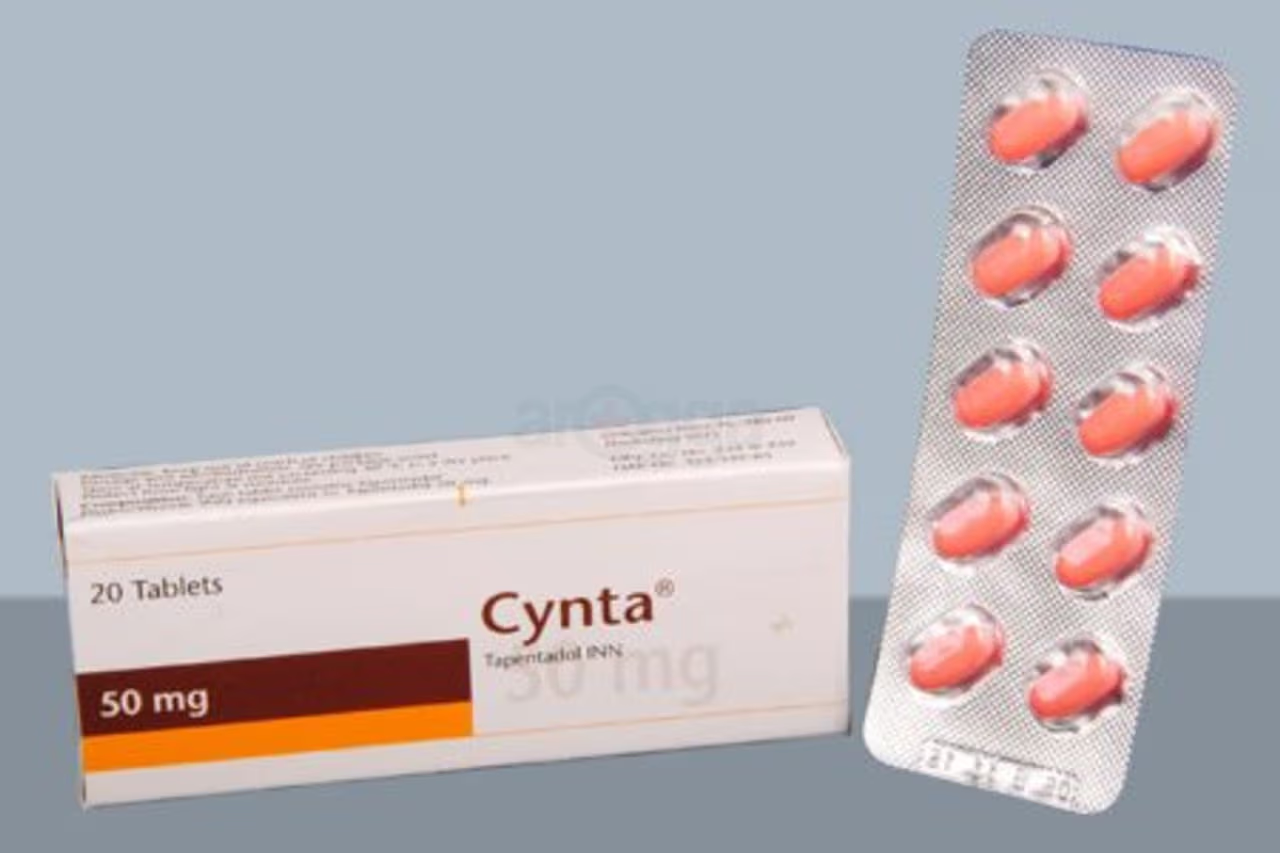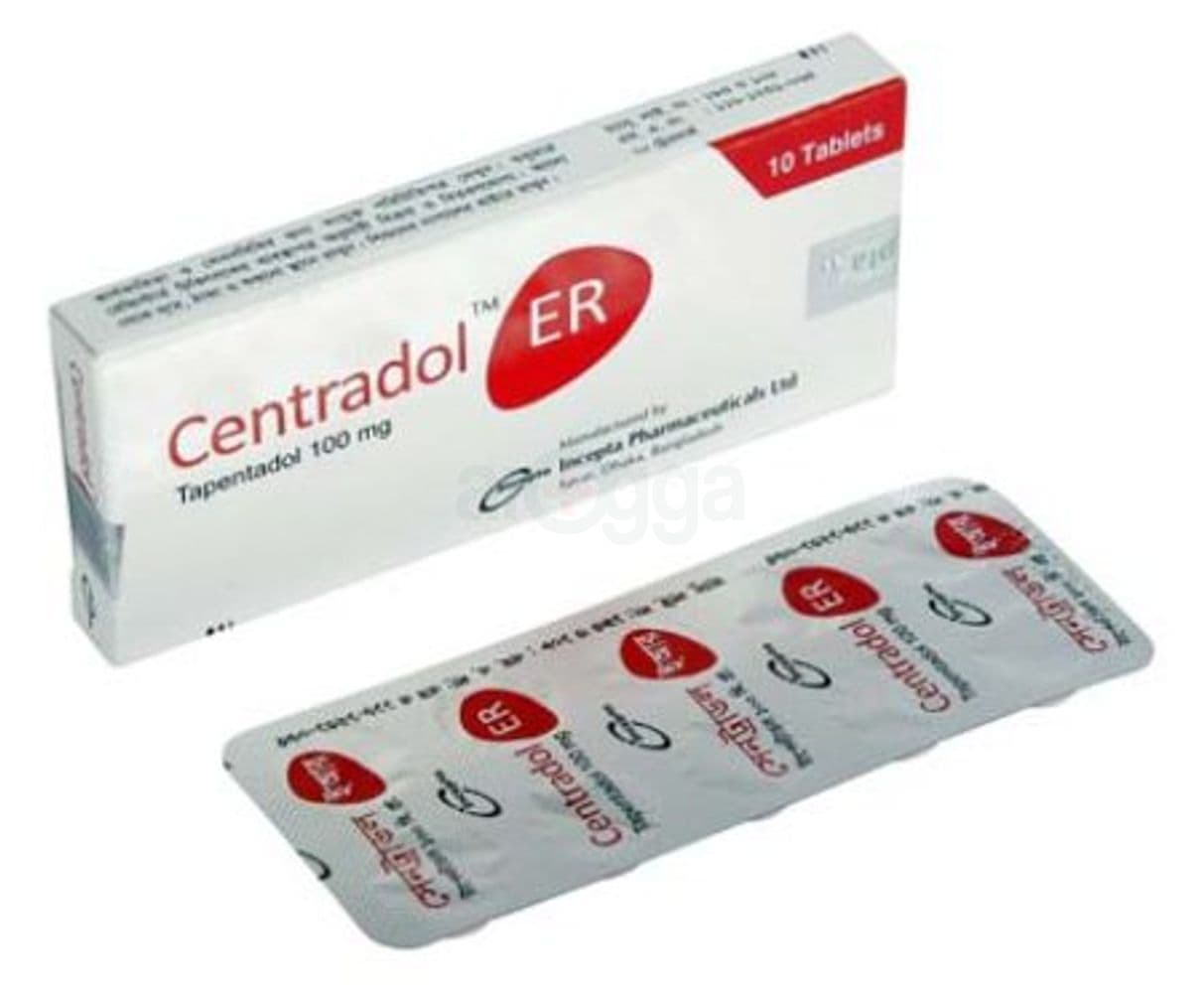

Medicine Overview of Tapenta
Indication
Acute Moderate-to-Severe Pain, Musculoskeletal pain, Diabetic Peripheral Neuropathy
Administration
May be taken with or without food.
Adult dose
Oral Moderate to severe acute pain Adult: Initially, 50 mg, 75 mg or 100 mg 4-6 hrly, depending on pain intensity. On day 1, a 2nd dose may be given 1 hr after the initial dose if pain relief is inadequate; subsequent dose may be given 4-6 hrly, adjust according to response. Max: 700 mg on day 1, 600 mg daily on subsequent days. Elderly: Initiate dosage at lower end of range Hepatic impairment Mild: Dosage adjustment not required Moderate: 50 mg q8hr initially; dosing frequency not to exceed 3 times daily; Severe: Not recommended
Child dose
Safety and efficacy not established
Renal dose
Renal impairment CrCl >30 mL/min : Dosage adjustment not required CrCl <30 mL/min: Not recommended
Contraindication
Significant resp depression (in unmonitored settings or absence of resuscitative equipment), acute or severe bronchial asthma or hypercapnia, known or suspected paralytic ileus; acute intoxication w/ alcohol, hypnotics, centrally acting analgesics or psychotropic active substances. Concurrent or recent (w/in 2 wk) therapy w/ MAOIs.
Mode of action
Mu-opioid agonist; inhibits ascending pain pathways, thus altering response to pain; produces analgesia, respiratory depression, and sedation; also inhibits reuptake of norepinephrine, which also affects ascending pain pathways.
Precaution
Tapentadol should be administered with caution to patients with conditions accompanied by hypoxia, hypercapnia, respiratory problems such as: asthma, chronic obstructive pulmonary disease etc. Besides this, in case of patient with sleep apnea syndrome, myxedema, kyphoscoliosis, central nervous system (CNS) depression should have to be cautious prior administration of Tapentadol. Patients receiving other µ-opioid agonist analgesics, general anesthetics, phenothiazines, other tranquilizers, sedatives, hypnotics, or other CNS depressants (including alcohol) concomitantly with Tapentadol may exhibit additive CNS depression.
Side effect
>10% Nausea (30%),Dizziness (24%),Vomiting (18%),Somnolence (15%) 1-10% (selected) Constipation (8%),Pruritus (5%),Xerostomia (4%),Fatigue (3%),Hyperhidrosis (3%),Anorexia (2%),Dyspepsia (2%),Insomnia (2%)
Interaction
Potential severe adverse effects w/ MAOIs. CNS-active drugs; other serotonergic agents (including triptans, SSRIs, other SNRIs, lithium, sibutramine, fentanyl & its analogues, tramadol, dextromethorphan, tapentadol, meperidine, methadone, pentazocine or St. John's wort), drugs which impair serotonin (eg linezolid & methylene blue) or serotonin precursors (eg tryptophan supplements). Increased risk of QTc prolongation &/or ventricular arrhythmias w/ some antipsychotics & antibiotics. Decreased AUC & Cmax of indinavir. Increased AUC & Cmax of haloperidol. Increased plasma conc w/ ketoconazole. Increased plasma conc & reduced BP-lowering effect of metoprolol. Increased AUC of risperidone. Reduced metabolism w/ CYP2D6 inhibitors. Increased venlafaxine levels w/ CYP3A4 inhibitors.
Common Uses
Specifically formulated for effective treatment as prescribed by your healthcare professional.
Important Notice
Consult with a doctor before starting any new medication. Do not exceed recommended dosage.
Frequently Asked Questions (FAQ)
Help & SupportTapenta
Tablet-(100mg)
About this item
IndicationAcute Moderate-to-Severe Pain, Musculoskeletal pain, Diabetic Peripheral NeuropathyAdministrationMay be taken with or without food.Adult doseOral Moderate to severe acute pain Adult: Initially, 50 mg, 75 mg or 100 mg 4-6 hrly, depending on pain intensity. On day 1, a 2nd dose may be given 1 hr after the initial dose if pain relief is inad...